
Understanding brush cutter hazards
Brush cutters are useful for clearing dense grass, weeds, brush and small woody growth, but they combine a high-speed cutting attachment with a powerful engine. Safe operation starts with understanding what can go wrong before choosing PPE or starting the machine.
Common hazards include:
- Kickback or unexpected movement of the cutting attachment
- Flying stones, wood chips and other debris
- Contact with hidden rocks, wire, glass or metal
- Cuts from blades or damaged attachments
- Noise exposure
- Hand-arm vibration and repetitive strain
- Slips and falls on uneven or wet ground
- Contact with bystanders, pets or other workers
- Loose clothing or hair becoming caught in moving parts
- Equipment failure caused by damage, wear or poor maintenance
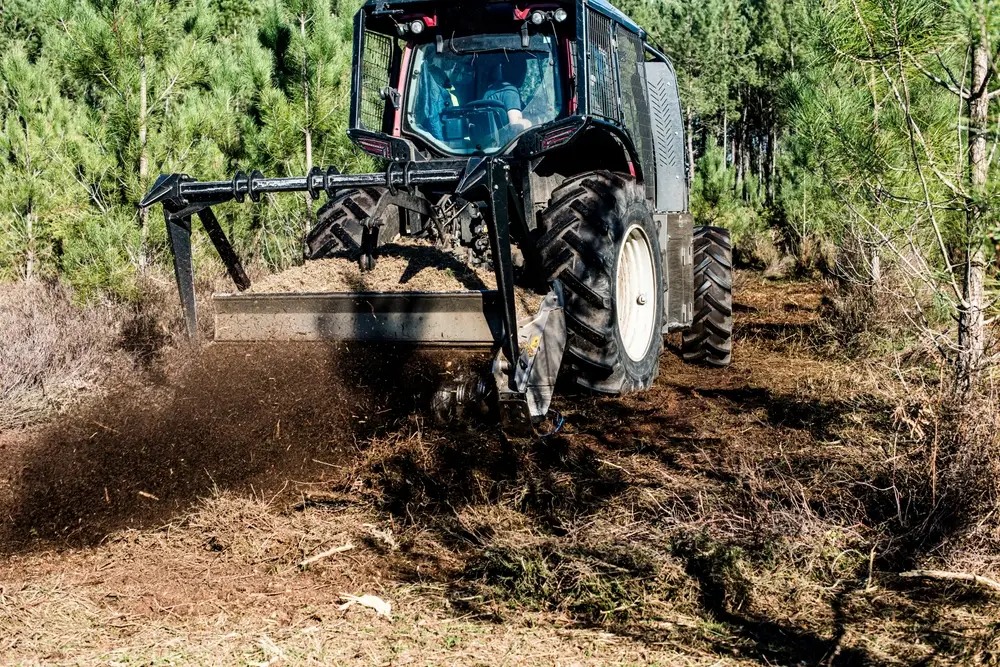
Dense vegetation deserves particular attention because it can hide obstacles that are impossible to see while cutting. A metal blade striking a solid object can cause a sudden and forceful reaction, potentially throwing the machine toward the operator or another person. Debris can also be projected at considerable speed.
Before starting, walk the work area where practical and identify rocks, wire, branches, holes, slopes and other obstacles. Keep other people and animals well away from the cutting zone. The appropriate exclusion distance depends on the machine, attachment, vegetation and site conditions, so follow the manufacturer’s instructions and your site risk assessment rather than relying on a single distance for every job.
Vibration is another risk that can build gradually. Long periods of brush cutter use may contribute to hand and arm discomfort, numbness or fatigue. Take appropriate breaks, avoid gripping the handles more tightly than necessary, maintain a balanced working position and use equipment correctly adjusted to your height and working method.
Noise should not be underestimated either. Many petrol-powered brush cutters produce high noise levels, making suitable hearing protection important during prolonged use.
Good habits matter just as much as PPE: wear close-fitting clothing, secure long hair, check the cutting attachment before work and never operate the machine with damaged guards or safety components.
Choosing essential protective equipment
The right PPE depends on the machine, cutting attachment, vegetation, terrain and working environment. At a minimum, brush cutter operators should consider:
- Impact-rated safety glasses or goggles
- A face shield where the risk of flying debris requires additional protection
- Suitable work gloves
- Long trousers and protective clothing appropriate for the task
- Sturdy, slip-resistant work boots
- Hearing protection
- High-visibility clothing where other workers, vehicles or machinery are present
- Sun and weather protection for prolonged outdoor work
Eye and face protection
Eye protection is essential because stones, wood fragments and vegetation can be thrown from the cutting area. Choose eye protection that is rated for the hazards involved and complies with the applicable safety standard in your country.
A face shield can provide additional facial protection, but it should not automatically replace impact-rated eye protection. For higher-debris applications, using both may provide better coverage.
Hands, legs and feet
Gloves can protect against scratches, vegetation and minor impacts while improving grip. However, they should fit properly and should never interfere with the controls.
Long trousers provide useful protection from vegetation and debris. Where the task presents a higher cutting risk, use specialist protective clothing designed for the equipment and work involved rather than assuming ordinary clothing provides sufficient protection.
Sturdy boots with good traction are particularly important on slopes, wet ground and uneven terrain. Choose footwear appropriate for the site and the manufacturer’s recommendations.
Hearing protection
Brush cutters can generate significant noise, particularly petrol-powered models. Use suitable earplugs or earmuffs when noise exposure requires it. Hearing protection should be comfortable enough to remain in place throughout the job and should not interfere with other PPE or communication.
Sun and weather protection
Outdoor work also means managing heat, UV exposure, rain and cold. Long sleeves, a suitable hat, sunscreen and breathable clothing can help during hot conditions. In colder weather, use layers that keep you warm without restricting movement or compromising control of the machine.
Visibility and weather considerations
Safe brush cutting depends on more than protective equipment. Operators also need sufficient visibility and suitable ground and weather conditions.
Before starting work, consider:
- Visibility and available daylight
- Rain and ground conditions
- Wind strength and falling branches
- Heat and the risk of fatigue
- Slippery or unstable terrain
- The presence of workers, vehicles, animals or members of the public
| Condition | Useful Protection | Practical Considerations |
| Rain or wet ground | Waterproof layers, suitable non-slip boots | Watch for reduced traction and hidden obstacles |
| Hot or sunny weather | Breathable clothing, hat, sunscreen | Take breaks, stay hydrated and monitor fatigue |
| Cold or windy weather | Insulated gloves and appropriate layers | Maintain hand control without restricting movement |
| Low light | High-visibility clothing and suitable lighting | Avoid areas where hazards cannot be identified clearly |
| Dust or airborne debris | Appropriate eye/face and respiratory protection where required | Follow the risk assessment and equipment guidance |
| Storms or severe weather | Stop work and seek safe shelter | Do not continue during lightning or unsafe wind conditions |
Reduced visibility makes hazards such as wire, rocks, roots and holes harder to identify. If you cannot clearly see the cutting area or maintain safe control of the machine, postpone the work or improve the conditions first.
Strong wind also deserves caution, particularly in wooded areas where branches or other material may fall. During thunderstorms or other severe weather, stopping the operation is the safer approach.
Fit, comfort, and usability
Protective equipment only helps when it is worn correctly and remains comfortable enough to use throughout the job.
A helmet, eye protection, hearing protection and other PPE should fit securely without restricting movement. Straps and adjustment systems should be set before starting work. If equipment constantly slips, fogs up, pinches or interferes with the controls, it can become a distraction.
The brush cutter itself should also be correctly adjusted. A properly fitted harness can help distribute the machine’s weight and improve control, particularly during longer jobs. Handle position, harness adjustment and cutting-head setup should follow the manufacturer’s instructions.
Comfort is particularly important during extended work. Breathable clothing can help in hot conditions, while appropriately insulated layers are useful in cold weather. Gloves should provide sufficient grip without being excessively bulky.
Avoid modifying PPE or machine components simply to make them more comfortable. If a guard, harness or other component does not fit correctly, check the manufacturer’s adjustment instructions or seek professional advice.
Maintenance and care of safety gear
PPE should be inspected regularly, cleaned correctly and replaced when it no longer provides the intended protection.
Before each job, check for obvious damage such as:
- Cracked or damaged helmet components
- Frayed straps or loose fasteners
- Scratched or damaged safety lenses
- Worn hearing-protection cushions
- Torn or excessively worn gloves
- Damaged clothing
- Split or badly worn boot soles
- Damaged face shields or visors
Replace damaged PPE rather than attempting makeshift repairs that could compromise its protective function. Some protective equipment also has manufacturer-defined service lives or replacement recommendations, so check the product documentation.
Cleaning methods vary by product. Helmets, visors, glasses, hearing protection and protective clothing should be cleaned according to the manufacturer’s instructions. Avoid aggressive solvents or cleaning products that may damage plastics, coatings, seals or protective materials.
Store PPE somewhere clean, dry and protected from excessive heat, moisture, chemicals and direct sunlight. Keep eye protection where the lenses cannot easily become scratched, and make sure wet equipment is properly dried before storage.
The same principle applies to the brush cutter itself. A clean, correctly maintained machine is easier to inspect and less likely to develop problems caused by worn or damaged components. Before use, check the cutting attachment, guard, harness, controls and other safety-critical parts according to the manufacturer’s maintenance schedule.
Make safety part of the job
Safe brush cutting is not about wearing as much equipment as possible. It is about matching the machine, cutting attachment, PPE and working method to the actual conditions on site.
Before starting, take a few minutes to inspect the machine, assess the terrain, identify hidden hazards, establish a safe working area and make sure your PPE fits correctly. During the job, stay alert to changes in weather, ground conditions, fatigue and the presence of other people.
Always follow the brush cutter manufacturer’s operating instructions, applicable workplace requirements and your site’s risk assessment. When in doubt about a damaged attachment, safety component or unusual machine behaviour, stop work and obtain appropriate technical advice before continuing.