
Roadside verges do much more than fill the space between a road and the surrounding land. When managed properly, they can improve visibility and road safety, support drainage, protect soil and provide valuable habitat for plants and wildlife.
The challenge for road managers and contractors is finding the right balance. A verge that is left completely unmanaged can obstruct signs, junction visibility or pedestrian routes. On the other hand, mowing everything frequently can reduce habitat value and unnecessarily disturb vegetation.
Effective verge management therefore starts with understanding the site, identifying the risks and choosing equipment and maintenance methods that are appropriate for the terrain, vegetation and local requirements.
Understanding the essentials of roadside verge management
The first priority is always road user and worker safety. Tall grass, shrubs and woody growth can obscure signs, sight lines, junctions, drainage structures and other hazards. Vegetation may also encroach on footpaths, cycle routes or access points.
However, not every part of a verge needs to be maintained in exactly the same way. Some areas may require regular cutting for visibility, while less critical sections can be managed less frequently to encourage native grasses and flowering plants.
A practical approach is to divide the verge into different management zones. For example, the area immediately next to a road or junction may need frequent cutting, while a suitable section farther from the carriageway could be left longer, provided this does not create a safety, drainage or access problem.
Who is responsible for verge management?
Roadside maintenance often involves several parties:
- Local authorities and road agencies, which establish maintenance policies and oversee public land or road corridors.
- Specialist contractors and maintenance crews, which carry out mowing, brush cutting, vegetation clearance and other field operations.
- Landowners and local organisations, where verges adjoin private or community-managed land.
- Environmental or conservation teams, particularly where protected habitats or species are present.
- Local residents and community groups, who may report blocked drains, damaged vegetation, illegal dumping or other maintenance issues.
Clear communication between these groups helps prevent a common problem: treating every verge as if it had the same maintenance requirements.
Plan maintenance around the site
There is no universal mowing calendar that works for every road network. Growth rates depend on climate, rainfall, soil, vegetation type and the intended function of the verge.
Before setting a cutting schedule, consider:
- sight-line requirements;
- road and pedestrian safety;
- drainage channels and culverts;
- vegetation height and density;
- slopes and difficult access;
- soil and ground conditions;
- nesting or protected species;
- invasive plants;
- local environmental requirements;
- seasonal weather conditions.
Maintenance should also comply with the applicable road, environmental, wildlife and occupational safety regulations. Requirements can differ considerably between jurisdictions, so contractors should verify the rules that apply to the specific site.
Choosing the right equipment for every site
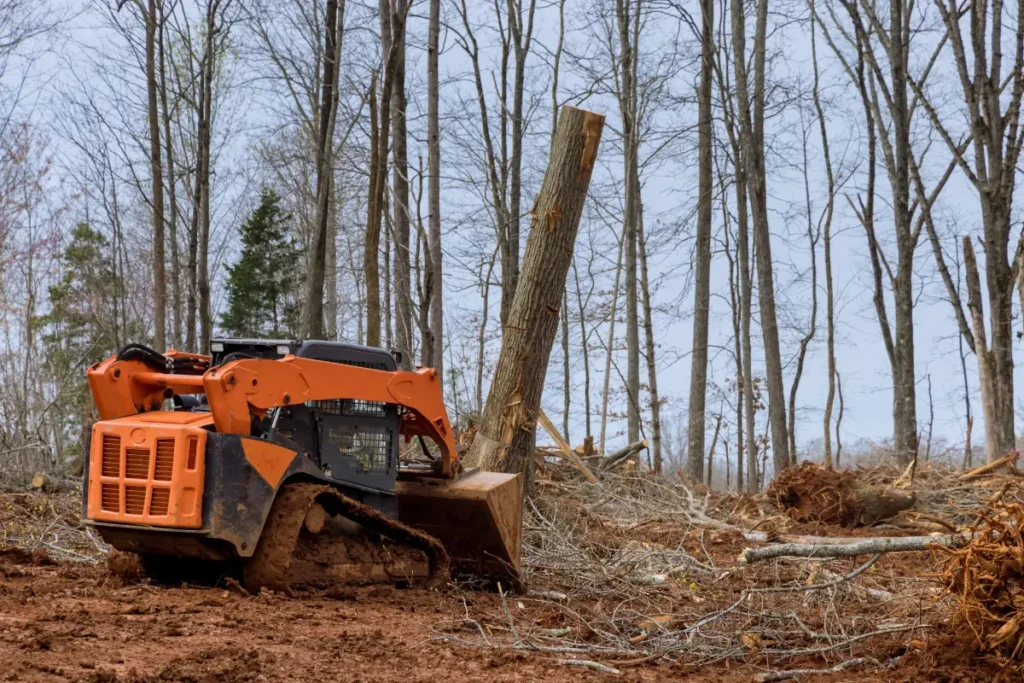
There is no single machine that is ideal for every roadside verge. Equipment selection should reflect the vegetation, terrain, access conditions and amount of material to be removed.
Choosing a machine simply because it has a high cutting capacity can be counterproductive if it is too heavy for the ground, difficult to position safely or unsuitable for the vegetation.
Flail mowers
Flail mowers are well suited to many larger areas containing dense grass, weeds and mixed vegetation. Their cutting system can process relatively tough growth and distribute the material across the surface.
They are particularly useful where the terrain provides enough space for a tractor or other suitable carrier to operate safely.
However, their size and operating envelope can make them unsuitable for narrow verges, confined urban areas or particularly difficult slopes. The machine and attachment must also be appropriate for the carrier and the conditions on site.
Brush cutters
Brush cutters are useful when vegetation is too woody or awkward for conventional grass mowing. They can be particularly practical around posts, signs, drainage structures, fences, trees and other obstacles.
Their flexibility makes them valuable for smaller sections and detailed clearance work, although covering a large roadside corridor manually can be considerably slower than using mechanised equipment.
Tractors and attachments
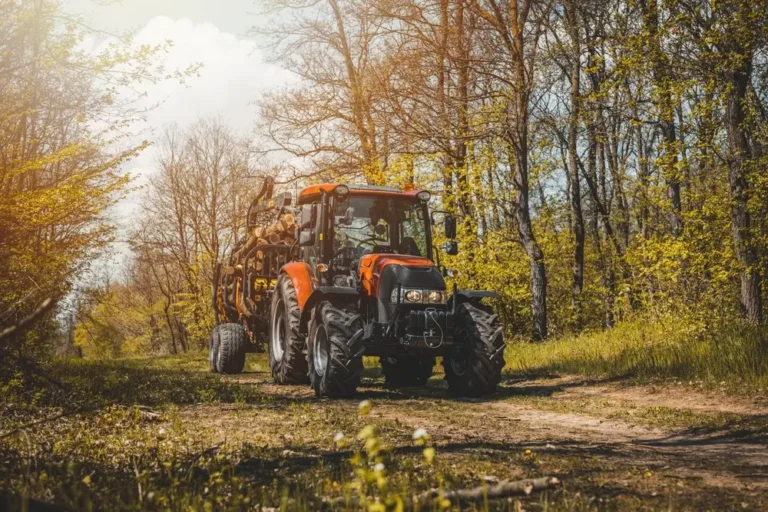
For extensive rural verges, tractors equipped with appropriate mowing or cutting attachments can provide the productivity needed to cover larger areas.
The attachment should be selected according to the vegetation and working conditions. Operators also need to consider ground pressure, slope stability, access, overhead obstacles and the potential presence of hidden debris.
String trimmers and handheld equipment
Handheld trimmers and brush cutters can be useful where larger machines cannot safely reach. They are often practical around obstacles, on narrow strips and for finishing work.
On steep banks or unstable ground, however, the equipment choice should be based on a site-specific risk assessment rather than assuming that handheld equipment is automatically safer.
Common roadside verge management equipment
| Equipment | Main advantages | Main limitations | Typical applications |
| Flail mower | Handles dense grass and mixed vegetation | Requires suitable access and working space | Larger verges and open areas |
| Brush cutter | Flexible and effective around obstacles | Slower over extensive areas | Woody growth, difficult sections and detailed clearance |
| Tractor with attachment | High productivity and versatile | Requires trained operation and suitable ground conditions | Large rural verges and extensive maintenance |
| String trimmer | Precise and useful around obstacles | Limited cutting capacity | Edges, narrow areas and finishing work |
| Manual tools | Precise with minimal machine impact | Labour-intensive | Sensitive areas and detailed maintenance |
Balancing safety, efficiency and ecology
Good verge management requires more than simply deciding when to cut the grass. Teams need to consider where the work will take place, how machinery will access the site and what risks may be present.
Put traffic and worker safety first
Roadside work exposes crews to moving traffic, machinery, uneven ground and potentially hidden obstacles. The appropriate traffic-management system depends on the road, traffic speed, visibility, work area and local regulations.
Depending on the situation, controls may include warning signs, cones, barriers, lane restrictions or temporary traffic management arrangements.
Operators should also use PPE appropriate to the equipment and identified hazards. Depending on the task, this may include hearing protection, eye or face protection, protective footwear, gloves, high-visibility clothing and head protection.
Before starting work, crews should inspect the machine, attachment and work area. A short pre-start briefing can identify hazards such as rocks, wire, discarded materials, drainage openings, slopes and nearby traffic.
Choose the right working conditions
Weather and ground conditions can have a major impact on roadside maintenance.
Wet ground may increase the risk of rutting and soil compaction. Strong winds can affect machine handling and increase the risk associated with falling branches or debris. Poor visibility can also make roadside operations more difficult.
Rather than following the calendar blindly, supervisors should be prepared to postpone or adapt work when site conditions make the planned operation unsuitable.
Manage vegetation with wildlife in mind
Roadside verges can provide habitat and feeding areas for insects, birds and small mammals. Cutting every area at the same frequency can therefore have unnecessary ecological consequences.
Where local conditions and regulations allow, managers may use different cutting regimes for different sections. Areas with suitable flowering plants can sometimes be managed less intensively, while sections required for visibility or access receive more frequent maintenance.
Before disturbing vegetation, teams should also consider protected species and seasonal restrictions that may apply locally.
Enhancing biodiversity through thoughtful management
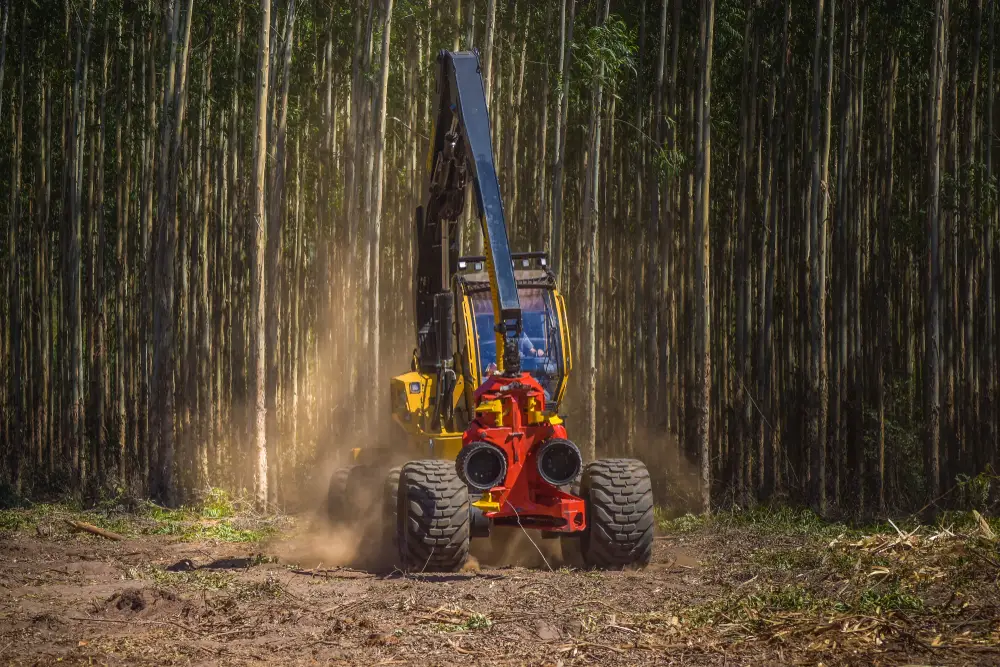
A well-managed verge can contribute to local biodiversity without compromising its primary safety function.
Less frequent mowing can allow flowering plants to develop and set seed, provided the vegetation does not interfere with visibility, drainage or other operational requirements. Native species that are already adapted to local conditions can be particularly valuable where biodiversity management is an objective.
The important point is that less mowing is not automatically better. The appropriate approach depends on the site.
Create practical management zones
Instead of applying one mowing regime across an entire road corridor, managers can identify different zones according to their function.
These may include:
- safety-critical areas requiring regular cutting;
- areas managed primarily for drainage and access;
- longer-grass sections where biodiversity can be encouraged;
- sensitive habitats requiring specific protection measures;
- areas affected by invasive vegetation.
Clear mapping and communication are important. Crews need to know which areas can be managed differently so that conservation measures are not accidentally removed during routine maintenance.
Control invasive species carefully
Invasive plants can outcompete native vegetation and, in some cases, create additional safety or access problems.
Control methods should be selected according to the species, location and applicable environmental requirements. Depending on the situation, this may involve manual removal, cutting, targeted treatment or specialist techniques.
The timing of control work is also important because some species can spread through seeds or plant fragments. Teams should follow appropriate procedures for handling and disposing of invasive plant material rather than simply moving it to another part of the site.
Measure ecological improvements realistically
Claims about biodiversity improvements should be based on actual site monitoring rather than assumed outcomes.
Useful indicators can include:
- the number and variety of flowering plant species;
- vegetation structure and plant cover;
- observations of pollinators;
- presence of target or protected species;
- evidence of invasive species;
- changes in bare or eroded ground.
Results will vary from one location to another. A verge beside a busy motorway will have very different ecological constraints from a rural roadside next to woodland or wetlands.
Sustainable strategies for long-term verge management
Sustainable verge maintenance is largely about making better decisions over time. Efficient scheduling, suitable equipment and careful management of soil and vegetation can reduce unnecessary disturbance while maintaining the required safety standards.
Reduce unnecessary soil disturbance
Repeated machine traffic can compact soil, particularly when operations take place in wet conditions. Compaction can affect vegetation growth, drainage and the long-term condition of the verge.
Where appropriate, managers can reduce this pressure by:
- avoiding operations during unsuitable ground conditions;
- planning machine routes carefully;
- selecting equipment according to ground conditions;
- limiting unnecessary passes;
- using suitable low-ground-pressure equipment where appropriate;
- restoring damaged or heavily trafficked areas when required.
Manage cut material appropriately
Grass and vegetation residues do not always need to be removed from the site. In some situations, appropriate mulching can return organic material to the ground.
However, leaving cut material in place is not suitable everywhere. Excessive residues can affect vegetation, drainage, visibility or habitat management objectives.
Material containing invasive species or other problematic plants may require specific handling and disposal procedures. The correct approach should therefore be determined by the vegetation, site requirements and local regulations.
Select equipment based on the whole operation
Equipment efficiency is not simply a question of fuel consumption. A machine that completes the job effectively, causes minimal ground damage and is appropriate for the site may be more useful than a theoretically more efficient machine that cannot operate safely there.
When assessing equipment, consider:
- productivity;
- fuel or energy requirements;
- ground pressure;
- attachment compatibility;
- operator visibility;
- access requirements;
- maintenance needs;
- transport requirements;
- noise and emissions where relevant;
- expected workload and operating conditions.
Adapt mowing height and timing
Mowing height and frequency influence both vegetation and soil conditions. In areas where biodiversity is an objective, a less intensive mowing regime may be appropriate if safety and access requirements are still met.
Rather than assuming that mowing once or twice a year is suitable everywhere, managers should monitor the results and adjust the programme according to local vegetation, climate and operational needs.
Building a practical long-term management plan
A reliable roadside verge programme should be reviewed rather than treated as a fixed schedule.
A useful management plan can include:
- Site assessment: identify hazards, terrain, vegetation, drainage and ecological constraints.
- Management zones: define which areas require intensive maintenance and which can be managed less frequently.
- Equipment selection: match machines and attachments to the terrain and vegetation.
- Traffic and safety planning: establish appropriate controls before work begins.
- Seasonal planning: consider growth patterns, weather and ecological constraints.
- Invasive species control: identify problem plants and establish appropriate treatment procedures.
- Ground protection: minimise unnecessary machine traffic and avoid unsuitable conditions.
- Monitoring: record vegetation condition, safety issues, erosion, drainage problems and ecological indicators.
- Review: adjust mowing frequency, equipment and working methods when site conditions or results change.
Conclusion
Effective roadside verge management is a balance between road safety, operational efficiency and responsible land management.
The best approach is rarely to mow everything as frequently as possible. Instead, road managers and contractors should assess each site, identify safety-critical areas, select equipment that matches the terrain and vegetation, and adapt maintenance practices to local environmental requirements.
With the right planning, roadside equipment can be used more efficiently while reducing unnecessary soil disturbance and creating opportunities for healthier vegetation and greater biodiversity. The key is not a single machine or mowing schedule, but a management strategy that responds to the actual conditions on the ground.