
Forestry operations and watercourse protection go hand in hand. Streams, rivers, wetlands, and drainage channels can be affected by soil disturbance, road construction, harvesting, machine traffic, and poorly managed runoff.
The objective is not to stop forestry work near water. It is to plan operations so that soil, fuel, sediment, debris, and other contaminants are kept out of waterways while maintaining the ecological functions of riparian areas.
The right approach depends on the site, soil, slope, weather, type of watercourse, equipment, and local regulations. Before work begins, operators should understand the applicable environmental requirements and incorporate them into the site plan.
Why watercourse protection matters in forestry
Watercourses are more than drainage features. They provide habitat, support aquatic ecosystems, influence downstream water quality, and connect different parts of the landscape.
Vegetated areas beside streams and rivers, commonly referred to as riparian zones, can act as natural buffers. Their roots help stabilize banks, while vegetation slows surface runoff and can intercept sediment before it reaches the water.
Riparian vegetation also provides shade. This can help moderate water temperatures and create habitat for aquatic and terrestrial species. Where sensitive fish or other aquatic organisms are present, maintaining suitable water conditions can be particularly important.
Protecting water quality beyond the forest
The effects of poor water management can extend well beyond the area being harvested. Sediment entering a stream can be transported downstream, affecting habitats, infrastructure, agricultural areas, recreational waters, and other users.
Forestry operations can therefore have an influence on water quality through several pathways, including:
- Soil erosion from roads and skid trails
- Drainage concentrated toward streams
- Disturbance of stream banks
- Poorly designed water crossings
- Fuel or hydraulic-fluid spills
- Removal of protective vegetation
- Sediment mobilized during heavy rainfall
Many of these risks can be reduced through planning rather than relying on corrective measures after a problem occurs.
Understand the rules before work starts
Watercourse protection requirements vary significantly between countries, regions, and even specific sites. Regulations may define protected riparian areas, harvesting restrictions, crossing requirements, erosion controls, chemical-use restrictions, or permit conditions.
Some jurisdictions use terms such as Streamside Management Zones (SMZs), riparian buffers, protected areas, or watercourse setbacks.
Do not apply a generic buffer width from another location. The required distance should come from the applicable legislation, environmental plan, land-management requirements, certification scheme where relevant, and site-specific assessment.
Non-compliance can result in enforcement action, remediation costs, project delays, or other consequences. More importantly, good watercourse protection reduces the likelihood of avoidable environmental damage.
Assessing watercourse vulnerability before operations
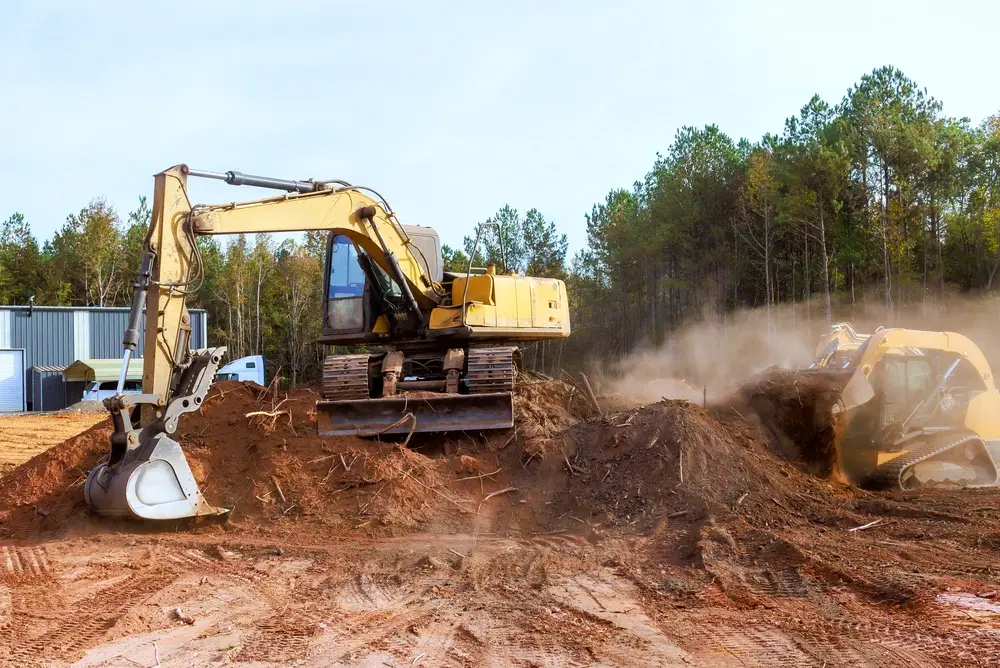
A site assessment should take place before machinery enters the work area. The objective is to identify watercourses, drainage pathways, sensitive areas, and locations where forestry activity could increase erosion or sediment transport.
Looking only at a broad watershed map is not enough. Conditions can change significantly over a relatively short distance. A small stream with unstable banks and exposed soil may require more attention than its size initially suggests.
What to assess
During a site walkover, identify and document:
- Stream and river locations
- Width and approximate depth
- Flow characteristics
- Bank stability and slope
- Existing riparian vegetation
- Soil type and erosion susceptibility
- Existing erosion or sediment sources
- Wetlands and connected water bodies
- Natural drainage pathways
- Sensitive habitats or species where known
- Existing roads, crossings, and drainage structures
- Areas where machinery could approach or cross water
The assessment should also consider the weather and ground conditions expected during the operation.
Map sensitive areas
Once watercourses and vulnerable locations have been identified, mark them clearly on the operational plan and, where appropriate, on the ground.
A useful site plan can show:
- Watercourses and wetlands
- Required buffer or protection zones
- Approved crossing points
- Roads and extraction routes
- Steep or erosion-prone slopes
- Areas requiring additional erosion control
- Equipment exclusion areas
- Locations of spill-response equipment
Clear mapping helps operators make better decisions in the field instead of having to interpret environmental requirements while machinery is already working.
Streamside management area strategies
Streamside management areas are intended to reduce the risk that forestry activities will adversely affect nearby water.
The exact requirements depend on local rules and site conditions, but several practical principles are widely applicable.
Maintain the required riparian buffer
Where a protected buffer is required, its width should be established before harvesting begins.
Factors that can influence the appropriate protection area include:
- Watercourse classification
- Slope
- Soil erodibility
- Bank condition
- Vegetation
- Flooding characteristics
- Aquatic habitat sensitivity
- Local legislation
In some situations, additional protection may be appropriate where slopes are steep, soils are highly erodible, or watercourses are particularly sensitive.
Keep machinery out of protected areas where required
Heavy machinery can disturb soil quickly, especially when operating on wet ground or steep slopes.
Use planned extraction routes and appropriate harvesting techniques to minimize unnecessary machine traffic near water. Depending on the operation, equipment such as winches, feller-bunchers, or other extraction systems may allow timber to be moved while keeping machines farther from sensitive areas.
Directional felling can also help prevent trees and branches from entering watercourses and reduce ground disturbance in protected areas.
Protect existing vegetation
Riparian vegetation should be retained wherever required or appropriate. Trees, shrubs, grasses, and their root systems can help stabilize soil and slow surface runoff.
Avoid unnecessary disturbance to stream banks and maintain the vegetation that provides natural protection.
Where restoration is necessary, use locally appropriate vegetation and follow the site restoration plan rather than introducing unsuitable species.
Keep chemicals and fuels away from water
Fuel, hydraulic oil, pesticides, herbicides, and other potentially harmful substances should be stored, handled, and refilled away from watercourses whenever practical and in accordance with applicable requirements.
Do not clean spray equipment, fuel machinery, or dispose of contaminated materials within protected areas.
A spill kit should be readily available wherever fuel or hydraulic equipment is being used. Operators should also know the site’s spill-response procedure before work begins.
Plan roads and water crossings carefully
Roads and skid trails can become significant sources of sediment when poorly located or drained.
Where possible:
- Route roads away from watercourses.
- Avoid unnecessary crossings.
- Minimize steep grades.
- Provide suitable drainage.
- Prevent road runoff from flowing directly into streams.
- Use designated crossing points.
- Inspect crossings after heavy rainfall.
Bridges, culverts, temporary crossings, and other structures must be selected and installed according to applicable requirements and site conditions. Fish passage, hydraulic capacity, flood risk, soil stability, and maintenance access should all be considered where relevant.
A crossing designed for one site’s conditions should not automatically be assumed suitable for another.
Best practices for sustainable forestry operations
Responsible forestry requires environmental considerations to be integrated into normal operational planning.
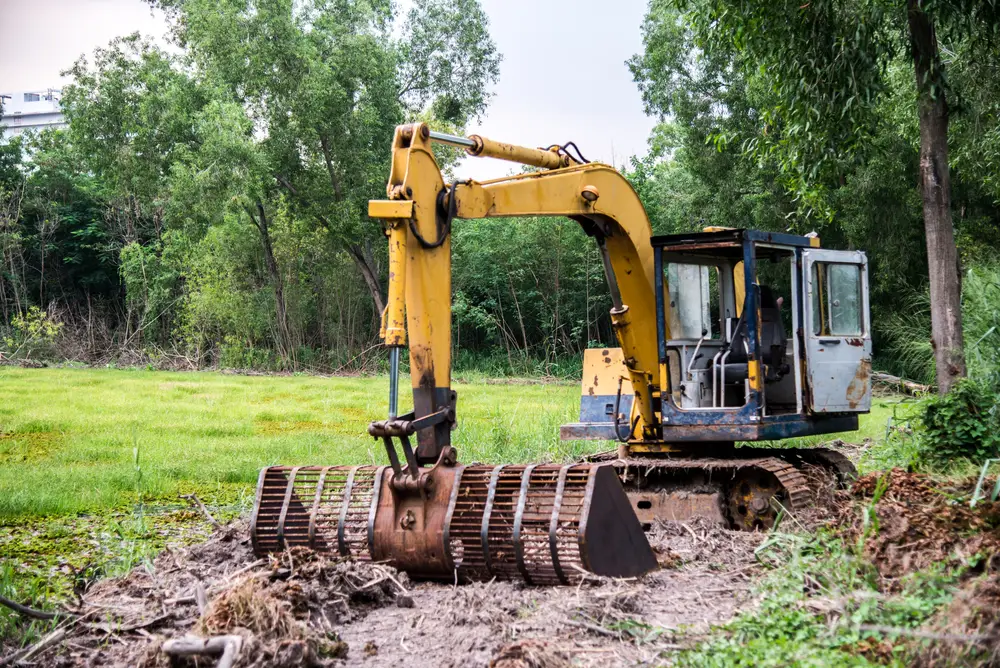
Manage soil and runoff
The less soil that is unnecessarily disturbed, the lower the potential for sediment to reach nearby water.
Practical measures include:
- Planning machine routes before harvesting begins
- Limiting unnecessary ground disturbance
- Maintaining effective drainage
- Stabilizing exposed soil where appropriate
- Installing erosion-control measures before they are needed
- Avoiding work on highly saturated soils where feasible
- Repairing significant ruts and drainage failures promptly
Weather forecasts should be part of operational planning. Heavy rainfall can rapidly turn an otherwise manageable erosion risk into a significant sediment problem.
If wet conditions make a planned operation unsafe or environmentally unsuitable, changing the schedule may be more effective than trying to force the work through.
Select equipment and techniques for the site
Machine choice matters. Low-ground-pressure equipment, tracks, wider tires, or other configurations may reduce ground disturbance in certain conditions.
However, equipment should not be considered environmentally suitable based on one specification alone. Ground pressure, machine weight, soil moisture, slope, traction, attachment type, and operator technique all influence the actual impact.
The best machine is the one that can complete the required work while meeting the site’s safety, environmental, and operational constraints.
Use a site checklist
Before and during operations, crews should verify:
- Watercourses and protection zones are clearly identified.
- Machinery has been checked for leaks.
- Spill-response materials are available.
- Weather conditions are being monitored.
- Roads and drainage are functioning properly.
- Erosion-control measures are installed where required.
- Water crossings are stable and clear.
- Fuel and chemicals are kept away from protected areas.
- Ruts and drainage problems are addressed promptly.
- Waste and debris are removed from the work area.
- Environmental requirements are understood by everyone on site.
A short, practical checklist is often more useful than a lengthy environmental procedure that operators rarely consult.
Monitoring water quality impacts
Monitoring should be proportionate to the scale and environmental sensitivity of the operation.
Where formal monitoring is required, establish baseline conditions before significant ground disturbance. This provides a reference point against which changes during and after operations can be assessed.
Useful water quality indicators
Depending on the project, monitoring may include:
- Turbidity: indicates changes in water clarity and can help identify increased suspended sediment.
- Temperature: useful where aquatic species are sensitive to changes in thermal conditions.
- Dissolved oxygen: provides information about conditions supporting aquatic life.
- pH: can indicate changes in the chemical characteristics of the water.
- Conductivity: can help identify changes associated with dissolved substances.
- Nutrients or other contaminants: monitored when site activities or local requirements make them relevant.
Not every forestry project requires every parameter. Monitoring should be designed around the site’s risks and any regulatory or permit requirements.
Compare results with baseline conditions
A single measurement rarely tells the whole story. Weather, seasonal flows, upstream conditions, and natural variation can all affect water quality.
Comparing results with baseline measurements, upstream reference points, previous observations, and rainfall conditions provides better context.
For example:
| Indicator | Before Operations | During Operations | After Operations |
| Turbidity | Baseline | Compare with baseline | Check recovery |
| Temperature | Baseline | Monitor for change | Confirm conditions |
| Dissolved oxygen | Baseline | Monitor where relevant | Compare with baseline |
The figures should come from actual site measurements rather than generic example values presented as acceptable limits.
Act when conditions change
Monitoring is useful only when it leads to action.
If unexpected sediment reaches a watercourse, a crossing becomes unstable, or drainage begins directing runoff toward a stream, the problem should be investigated promptly.
Depending on the situation, corrective measures may include:
- Temporarily stopping the relevant activity
- Redirecting runoff
- Repairing drainage
- Stabilizing exposed soil
- Reinforcing a crossing
- Installing appropriate sediment controls
- Restoring damaged riparian vegetation
- Escalating the issue to the site’s environmental or regulatory contact
The response should be based on the severity of the issue, site conditions, and applicable requirements.
Watercourse protection starts before the first machine moves
Good watercourse protection is primarily a planning exercise.
Before harvesting begins, identify vulnerable watercourses, establish the required protection areas, plan roads and crossings, assess soil and weather conditions, and make sure every operator understands the site constraints.
During the operation, maintain effective drainage, minimize unnecessary ground disturbance, keep contaminants away from water, and inspect high-risk areas regularly.
After the work, check crossings, drainage systems, exposed soil, riparian areas, and watercourses for signs of sediment movement or other impacts.
The most effective forestry operations do not treat environmental protection as a separate task. Watercourse protection is built into where machines travel, how timber is extracted, when work takes place, how roads are managed, and how the site is restored.
By combining sound operational planning with appropriate environmental controls and ongoing monitoring, forestry teams can reduce avoidable impacts while keeping productive forest operations moving safely and responsibly.