
Seasonal storage is not simply a matter of parking rental equipment and leaving it until demand returns. Machines that sit unused for weeks or months can develop problems related to moisture, contamination, stale fuel, battery discharge, tire deformation, corrosion, and neglected maintenance.
For rental businesses, proper preparation has an additional benefit: equipment can be returned to service with fewer surprises when the next busy period begins. A practical storage process starts by identifying which machines will be inactive, checking their condition, preparing them according to the manufacturer’s instructions, and keeping clear records throughout the storage period.
Understanding seasonal storage needs for rental machines
Not every rental machine needs the same storage strategy. Start by looking at rental demand, expected downtime, machine type, and local weather conditions.
Lawn mowers and other landscaping equipment may see reduced demand during colder months, while snow equipment follows the opposite seasonal pattern. Construction equipment may remain in service year-round, but individual machines can still spend extended periods between projects.
Reviewing previous rental activity can help identify seasonal peaks and quieter periods. This makes it easier to decide which machines need full seasonal preparation and which only require routine checks between rentals.
The length of storage also matters. A machine sitting idle for several weeks may need a different approach from one that will remain unused for six months.
Why poor storage causes problems
Leaving equipment dirty, exposed, or poorly protected can create avoidable problems, including:
- Corrosion on exposed metal components
- Moisture damage to electrical connections
- Stale or degraded fuel
- Discharged or damaged batteries
- Deteriorated hoses and seals
- Tire deformation after prolonged stationary storage
- Contaminated lubricants
- Pest activity
- Frozen water trapped in pumps, hoses, or other components
These problems can turn a machine that was ready for storage into a repair job when the rental season starts.
Plan the storage space before moving machines
Storage capacity should be considered before equipment arrives. Larger machines need sufficient clearance for safe access, while smaller tools can often be stored on shelves or designated racks.
A well-organized storage area should provide:
- Adequate space around larger machines
- Clear access routes
- Dry, stable storage where practical
- Protection from unnecessary moisture and weather exposure
- Safe storage for fuel, batteries, lubricants, and other materials
- Clearly identified areas for equipment awaiting repair
Keeping stored equipment separate from machines that are ready for rental also prevents accidental dispatch of equipment with unresolved maintenance issues.
Essential cleaning and maintenance before storage
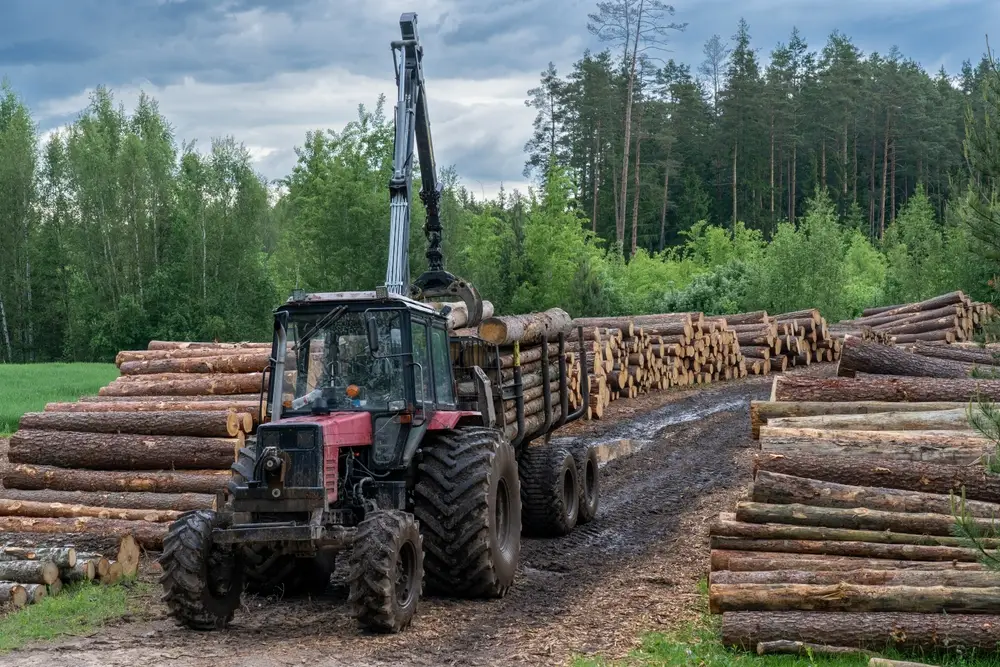
Every step in cleaning and maintenance counts before storing rental machines for a season. Grime, grease and residues left on equipment can retain moisture and lead to rust, paint peeling or even let mold grow. To prevent this, every surface – metal, plastic, rubber – requires a thorough cleaning. Wash exteriors with water and mild soap, use a brush to reach into crevices, then dry. For a chem machine, a more heavy-duty wash with the appropriate solvent is required to remove any stuck-on gunk. Inspect inside guards, panels and under moving parts. These concealed areas can be repositories for debris. Leaving even a little mud or grass can attract pests or trap moisture that could eventually hurt the machine.
Fluids inside your bikes and appliances can break down, freeze, or leak when stored for months on end. Empty fuel from tanks and lines to prevent stale fuel or clogged filters. Wipe off engine oil and hydraulic fluids, which can hold water or degrade and cause corrosion. For water systems, such as pressure washers, completely drain all water to prevent freezing and cracking. If the equipment has a coolant system, drain it completely and then flush with fresh water. This step is crucial to prevent corrosion and expensive repairs down the road. Be sure to adhere to your machine’s manual for safe draining and disposal of fluids as improper handling can damage the environment.
Moving parts like joints, gears, and bearings require a coat of lubricant before storage. This prevents rust and seizing of parts. Apply a suggested grease or oil for each component instead of just any type. Thin it onto chains, axles, or anywhere that moves. On intricate machines, notice metal-to-metal contact points. Wash off old oil and dirt first, because fresh grease on top of sludge does more damage than good. Lubrication keeps rust at bay and helps the machine start up faster and run smoother after storage.
Inspection is as crucial as cleaning. Inspect each lawn mower for wear, cracks, loose bolts or missing parts. Swap out worn belts, broken seals or cracked hoses before storing the machine. Tighten bolts and check that guards and covers are in place. If the machine contains electronics or batteries, check for corrosion or damage and remove batteries if storing for extended periods. A thorough inspection today translates into less heartache and expense when the rental season rolls around once again.
Junk storage spaces, that is. Pest and mold prevention in storage. Just be sure the area remains dry and well ventilated. For winter sports equipment, opt for a spot with consistent, cool temperatures to prevent materials from deteriorating. Some will need to be shifted a bit or turned every month or so to prevent tires or components from becoming flat spots. Follow a schedule, monthly or seasonal checking, so you don’t forget anything.
Best practices for preparing different machine types
Cleaning and inspection should happen before a machine goes into storage, not when it is needed again.
Dirt, grass, mud, road salt, grease, and plant residue can retain moisture and conceal damage. They can also make it harder for technicians to identify leaks, cracks, corrosion, or worn components.
Clean the machine using methods appropriate for its construction and the manufacturer’s recommendations. Pay particular attention to:
- Undercarriages and wheel areas
- Guards and protective panels
- Cutting decks and attachments
- Cooling-air passages
- Hydraulic components
- Electrical connectors
- Areas where mud or plant material accumulates
Avoid directing high-pressure water into bearings, electrical connectors, seals, vents, or other components that could be damaged by water intrusion.
Once cleaned, allow the machine to dry thoroughly.
Check fluids and fuel
Fluid preparation depends heavily on the machine and the expected storage conditions.
For engine-powered equipment, check the owner’s manual for instructions covering fuel, engine oil, coolant, and other fluids. If an oil change is due, completing it before storage may be appropriate because fresh lubricant can help protect internal components during downtime.
Fuel management also varies by engine and manufacturer. Depending on the equipment, the correct procedure may involve stabilizing the fuel, draining the system, or following a specified storage procedure. Do not apply one fuel-storage method to every machine.
For diesel equipment operating in cold climates, use the fuel grade and cold-weather procedures specified for the machine and local conditions rather than assuming that one diesel formulation is suitable everywhere.
Drain water-containing equipment
Pressure washers, pumps, sprayers, and other equipment containing water require particular attention before freezing weather.
Drain water from tanks, pumps, hoses, and other relevant components according to the manufacturer’s procedure. Where the equipment requires a specific antifreeze or winterization product, use only the product and method recommended for that system.
Never assume that simply draining the visible water removes all freezing risk.
Lubricate moving components correctly
Moving parts may require lubrication before extended storage, but the correct lubricant and application points depend on the machine.
Follow the manufacturer’s lubrication chart and avoid mixing incompatible lubricants. Clean heavily contaminated grease fittings and surrounding areas before servicing them so that dirt is not pushed into the component.
Pay attention to:
- Pivot points
- Bearings
- Chains
- Bushings
- Hinges
- Other manufacturer-specified lubrication points
More grease is not necessarily better. Over-lubrication can create its own problems on certain components.
Inspect before parking
Use the storage inspection as an opportunity to identify repairs that should be completed before the next rental cycle.
Check for:
- Cracked or damaged hoses
- Worn belts
- Loose fasteners
- Damaged guards
- Leaking hydraulic or engine components
- Damaged tires
- Corroded electrical connections
- Missing hardware
- Unusual wear
- Safety-related defects
Record anything that needs attention. If a repair cannot be completed immediately, clearly identify the machine as not ready for rental.
Best practices for preparing different machine types
Different machines have different storage requirements. A single checklist can provide a useful framework, but it should always be supplemented by the manufacturer’s storage instructions.
Engine-powered equipment
Before storage:
- Clean the machine thoroughly.
- Inspect for damage, leaks, and wear.
- Check or replace fluids according to the service schedule.
- Follow the manufacturer’s fuel-storage procedure.
- Check the cooling system and freeze protection where applicable.
- Lubricate specified points.
- Protect exposed components as recommended.
- Record any maintenance required before the next rental.
Do not change fuel, coolant, oil, or other fluids solely because a machine is entering storage unless the manufacturer’s procedure or the equipment’s maintenance schedule calls for it.
Battery-powered and battery-equipped machines
Battery storage requirements vary considerably between lead-acid, lithium-ion, and other battery technologies.
Follow the battery and machine manufacturer’s recommendations for:
- State of charge
- Storage temperature
- Whether the battery should be removed
- Charging frequency
- Charger type
- Terminal protection
Do not assume that a particular voltage or charge level applies to every battery. For example, the correct storage procedure for a 12-volt lead-acid battery is not necessarily appropriate for lithium-ion equipment.
Keep batteries away from excessive heat, moisture, and conditions outside their specified storage range.
Hydraulic equipment
Hydraulic machines should be inspected for leaks, damaged hoses, worn fittings, and deteriorated seals before storage.
Clean exposed hydraulic components and protect connections where the manufacturer recommends it. Do not use improvised plastic wrapping that can trap condensation against components.
Any hydraulic leak should be investigated and repaired appropriately. Never use your hands to search for a pressurized hydraulic leak.
Tires and tracks
Long periods of stationary storage can affect tires, particularly when equipment remains heavily loaded in one position.
Before storage:
- Check tire condition.
- Set pressure according to the manufacturer’s specifications.
- Inspect for cuts, cracking, and abnormal wear.
- Position equipment safely to reduce unnecessary loading where appropriate.
- Follow the manufacturer’s recommendations for jacking or supporting larger machines.
If a machine must be supported, use equipment and procedures designed for that purpose. Never improvise supports beneath heavy rental equipment.
For tracked equipment, inspect tracks, rollers, sprockets, and undercarriage components and remove accumulated mud before storage.
Secure moving and eevated components
Before leaving a machine unattended, place buckets, booms, platforms, cutting attachments, and other movable components in the manufacturer’s recommended storage position.
Secure detachable accessories and loose components so they cannot move unexpectedly or become damaged.
For elevated equipment, follow the machine-specific parking and securing procedure. Storage is not the time to rely on hydraulic pressure alone to hold a raised component.
Environmental factors and storage conditions
The storage environment can have as much influence on equipment condition as the preparation itself.
Control moisture and condensation
A dry, well-maintained building is generally preferable to prolonged outdoor exposure. However, completely sealing equipment in an airtight cover can sometimes trap moisture.
Good storage practice should aim to:
- Keep rain and snow away from equipment
- Reduce condensation
- Maintain appropriate ventilation
- Prevent standing water around machines
- Keep storage areas clean and dry
The need for climate control depends on the equipment. Sensitive electronics, batteries, and certain materials may benefit from more stable environmental conditions, while heavy mechanical equipment may not require a fully climate-controlled facility.
Protect against freezing
Freezing conditions can damage equipment that contains water or water-based fluids.
Before cold-weather storage, identify every part of the machine where liquid may remain. This can include pumps, hoses, cooling systems, pressure-washer components, and tanks.
Use the manufacturer’s winterization procedure rather than relying on assumptions based solely on outside temperature.
Protect equipment from sunlight and weather
Ultraviolet exposure can gradually deteriorate certain plastics, rubber components, upholstery, and finishes. Rain and snow can accelerate corrosion when equipment remains exposed for long periods.
A suitable machine cover can help, provided it is appropriate for the equipment and does not trap moisture.
Outdoor storage should be treated as a higher-exposure environment. Inspect covers regularly for damage, water accumulation, and signs that the machine is no longer adequately protected.
Maintain ventilation and pest control
Good ventilation helps reduce condensation and moisture accumulation. It is particularly important in storage areas containing equipment, fuels, lubricants, or batteries.
Pests can also damage stored equipment by nesting in engine compartments, air-intake areas, insulation, or wiring.
Keep the storage area clean, remove food sources, and inspect machines periodically for signs of nesting or contamination.
Organizing and labeling for efficient storage and retrieval
Good storage organization is particularly valuable for rental businesses because equipment needs to move efficiently between storage, maintenance, and customers.
Group equipment logically
Organize machines according to factors such as:
- Equipment type
- Size
- Seasonal demand
- Rental frequency
- Maintenance status
- Storage requirements
Keep machines requiring repair clearly separated from equipment that is ready for rental.
This simple distinction can prevent a machine with an unresolved issue from accidentally being dispatched.
Label every machine clearly
Each machine should have a clear identification system. Depending on the rental operation, useful information may include:
- Machine name or type
- Asset or fleet number
- Date placed into storage
- Maintenance status
- Known defects
- Next required service
- Special storage instructions
Use durable labels that remain readable in the conditions where the equipment is stored.
Keep an inventory and storage map
A digital inventory system or simple storage map can show exactly where each machine is located.
Record:
- Machine identification number
- Storage location
- Condition
- Outstanding repairs
- Battery status where relevant
- Accessories stored with the machine
- Planned return-to-service date
This information is particularly useful when multiple employees handle equipment or when a large fleet is stored across several areas.
Make retrieval easy
Store frequently needed equipment where it can be accessed without moving several other machines first. Leave sufficient clearance around heavy equipment and maintain safe routes for moving machines in and out.
Avoid creating tightly packed storage areas simply to maximize capacity. Saving a few square meters is rarely worthwhile if technicians cannot safely inspect or retrieve the equipment.
Schedule periodic storage inspections
Seasonal storage should not mean abandoning the machines for several months.
The inspection frequency should reflect the equipment, storage conditions, and manufacturer’s recommendations. During periodic checks, look for:
- Water ingress
- Corrosion
- Pest activity
- Damaged covers
- Fluid leaks
- Battery condition
- Tire or track issues
- Changes in storage conditions
- Unauthorized movement or damage
Document anything unusual and address problems while they are still manageable.
Preparing equipment for return to rental
When the next season approaches, allow enough time for a proper return-to-service inspection.
Do not simply start the machine and send it to a customer. Check the equipment according to the manufacturer’s pre-operation and maintenance procedures.
Depending on the machine, this may include:
- Removing storage covers and protective materials.
- Checking fluid levels and condition.
- Inspecting hoses, belts, seals, tires, tracks, and attachments.
- Checking batteries and electrical connections.
- Looking for evidence of corrosion or pests.
- Testing controls and safety features.
- Starting and operating the machine in a safe area.
- Completing any overdue maintenance.
- Cleaning the machine again before rental.
- Updating the maintenance and rental records.
Only release the machine once it has passed the appropriate inspection and is considered ready for rental under your normal procedures.
A practical seasonal storage routine
The most effective storage process is consistent and documented:
Clean → Inspect → Service → Prepare → Protect → Label → Store → Check → Return to service
The exact steps will vary between a pressure washer, lawn mower, forklift, mini-excavator, lift, or other rental machine. Manufacturer instructions should always take priority over generic storage advice.
For rental businesses, proper seasonal storage is ultimately about more than protecting equipment. It reduces avoidable deterioration, makes maintenance easier to plan, improves inventory control, and gives the team a clearer picture of which machines are genuinely ready to go when demand picks up again.
A machine that has been cleaned, inspected, correctly stored, and properly documented is far easier to put back into productive service than one that has simply been parked and forgotten.